
| Country | Organization* | Formed | Members |
| Australia | The Socialist Alliance | 2001 | 1,650 (2021) |
| Austria | Der Wandel / Change | 2012 | ... |
| Belgium | Mouvement Demain / The Tomorrow Movement | 2017 | 1,500 |
| Belgium | Partij van de Arbeid van België / The Workers’ Party of Belgium | 1979 | 25,000 (2024) |
| Bolivia | Movimiento al Socialismo / The Movement for Socialism | 1997 | 1,082,645 (2025) |
| Bosnia and Herzegovina | Radničko-komunistička partija Bosne i Hercegovine / The Workers' Communist Party of Bosnia and Herzegovina | 2000 | ... |
| Brazil | Movimento dos Trabalhadores Rurais Sem Terra / The Landless Workers Movement  |
1984 | 1,500,000 (2007) |
| Brazil | Partido Socialismo e Liberdade / The Socialism and Liberty Party | 2004 | 290,000 (2019) |
| Bulgaria | Българската левица / The Bulgarian Left | 2009 | 6,000 (2012) |
| Canada | The Democratic Socialists of Canada | 2020 | ... |
| Chile | Frente Amplio / The Broad Front | 2024 | 61,000 (2024) |
| Costa Rica | Frente Amplio / The Broad Front Party | 2004 | ... |
| Croatia | Radnička Fronta / The Workers' Front | 2014 | ... |
| Czech Republic | Levice / The Left | 2020 | ... |
| Denmark | Enhedslisten / De Rød-Grønne / Unity List – the Red–Green Alliance | 1989 | 10,000 (2019) |
| Denmark | Socialistisk Folkeparti / The Green Left | 1959 | 8,995 (2022) |
| Ecuador | Movimiento Revolución Ciudadana / The Citizen Revolution Movement | 2018 | 200,000 (2022) |
| Egypt | Eish we Horria / The Bread and Freedom Party | 2013 | ... |
| Eswatini | Insika Yenkhululeko YemaSwati / The People's United Democratic Movement / Pudemo | 1983 | ... |
| Finland | Vasemmistoliitto / The Left Alliance | 1990 | 11,500 (2020) |
| France | Génération.s | 2017 | 50,000 (2018) |
| Germany | Die Linke / The Left Party |
2007 | 120,000 (2025) |
| Honduras | Libertad y Refundación / The Liberty and Refoundation / Libre | 2011 | ... |
| Hungary | Igen Szolidaritás Magyarországért Mozgalom / The Yes Solidarity for Hungary Movement / ISZOMM | 2020 | ... |
| Iceland | Sósíalistaflokkurinn / The Socialist Party of Iceland | 2017 | ... |
| Japan | 新社会党 / The New Socialist Party of Japan | 1996 | ... |
| Lithuania | KArtu / Together | 2022 | 2,093 (2024) |
| Luxembourg | Déi Lénk / The Left | 1999 | 650 (2023) |
| Malaysia | Parti Sosialis Malaysia / The Socialist Party of Malaysia | 1998 | ... |
| Mauritius | Mouvement Militant Mauricien / The Mauritian Militant Movement | 1969 | ... |
| Mexico | Partido del Trabajo / The Labor Party | 1990 | ... |
| Moldova | Partidul Acțiunii Comune – Congresul Civic / The Common Action Party - Civil Congress | 2019 | 5,518 (2020) |
| Norway | Rødt / The Red Party | 2007 | 13,131 (2024) |
| Pakistan | عوامی ورکرز پارٹی / The Awami Workers' Party | 2012 | >5,000 (2018) |
| Poland | Akcja Socjalistyczna / Socialist Action | 2020? | ... |
| Poland | Polska Partia Socjalistyczna / The Polish Socialist Party | 1987 | ... |
| Portugal | Bloco de Esquerda / The Left Bloc | 1999 | 10,000 (2022) |
| Puerto Rico | Movimiento Socialista de los Trabajadores / The Workers' Socialist Movement | 1982 | ... |
| Serbia | Партија радикалне левице / The Party of the Radical Left | 2020 | ... |
| Slovakia | Socialisti.sk | 2019 | ... |
| Slovenia | Levica / The Left | 2014 | ... |
| South Africa | Abahlali baseMjondolo / The Residents of the Shacks |
2005 | 180,000 (2025) |
| Spain | Podemos | 2014 | ... |
| Sweden | Vänsterpartiet / The Left Party | 1917 | 27,000 (2023) |
| Syria | Ḥizb al-Ba‘th al-Dīmuqrāṭī al-‘Arabī al-Ishtirākī / The Arab Democratic Socialist Ba'ath Party | 1970 | ... |
| Taiwan | 人民民主黨 / The People's Democratic Party | 2011 | ... |
| Tanzania | Chama cha Wazalendo / The Alliance for Change and Transparency | 2014 | ... |
| Timor-Leste | Frente Revolucionária do Timor-Leste Independente / Fretilin | 1974 | ... |
| Tunisia | Ḥarakat ed-Dīmoqrāṭiyīn el-Ishtirākiyīn / The Movement of Socialist Democrats | 1981 | ... |
| Turkey | Halkların Demokratik Partisi / The Peoples' Democratic Party | 2012 | 14,539 (2025) |
| Turkey | Yeşiller ve Sol Gelecek Partisi / The Green Left Party | 2023 | ... |
| United Kingdom | Your Party |
2025 | 55,000 (2025) |
| United States of America | The Committees of Correspondence for Democracy and Socialism | 1991 | ... |
| United States of America | The Democratic Socialists of America |
1982 | 85,000 (2025) |
| * The extent to which some of these groups fit our working definition is still to be determined; we expect this list to change over the course of the survey. | |||
As well as the national bodies listed above, there are also various regional and international alliances on the democratic/left spectrum. None of these identifies specifically as democratic socialist, however several of them include a high proportion of democratic socialist members, most notably:
 Progressive International
“We are workers, peasants, and peoples of the world rising up against the reactionary forces of authoritarian oligarchy. Our aim is international organization: to combine forces across borders in order to reclaim the planet as our own.”
Member organisations are listed here: https://progressive.international/members
 Global Ecosocialist Network
"The Global Ecosocialist Network is an international association of socialists formed in response to the catastrophic ecological crisis rapidly engulfing our world."
Member organisations are listed here: http://www.globalecosocialistnetwork.net/category/affiliatedgroups/
 International People's Assembly
The International Peoples' Assembly is a global network of people's organizations, social movements, political parties, and trade unions.
Member organisations are listed here: https://ipa-aip.org/who-we-are/
 Party of the European Left
“...we stand united with grassroots organizations, left wing and progressives parties, trade unions and of course – you. With your support, we’re determined to reshape European policy. We’re carving a path toward a Europe that’s peaceful, socially just, environmentally conscious, feminist, and anti-racist.”
Member organisations are listed here: https://www.european-left.org/about-us/our-parties/
 Now the People (Europe only)
“Together with popular movements, we fight for social and climate justice, solidarity, equality and democracy in Europe. We embody the main counter force to austerity and liberal policies imposed by the right-wing for decades. We fight for a Europe that puts people’s needs before the interests of multinationals.”
Member organisations are listed here: https://nowthepeople.eu/
 The European Left Alliance
“A project for economic and social justice in which everyone would contribute according to their income and where wealth is redistributed. A project to really combat global warming and its severe consequences and to protect nature while supporting working-people in the transition.”
Member organisations are listed here: https://leftalliance.eu/news/a-new-left-european-political-party-to-better-resist-act-and-hope/
 The São Paulo Forum (mostly Latin American and Caribbean countries)
Participants in this conference include democratic socialist and social-democratic parties, left-wing grassroots labor and social movements, ethnic and environmentalist groups, anti-imperialist and nationalist organizations and communist parties, united in struggle against neoliberalism. Most participants are based in Latin America or the Caribbean.
Member organisations are listed here: https://forodesaopaulo.org/partidos-4/
Figure 1: Distribution of income/wealth across the world's population
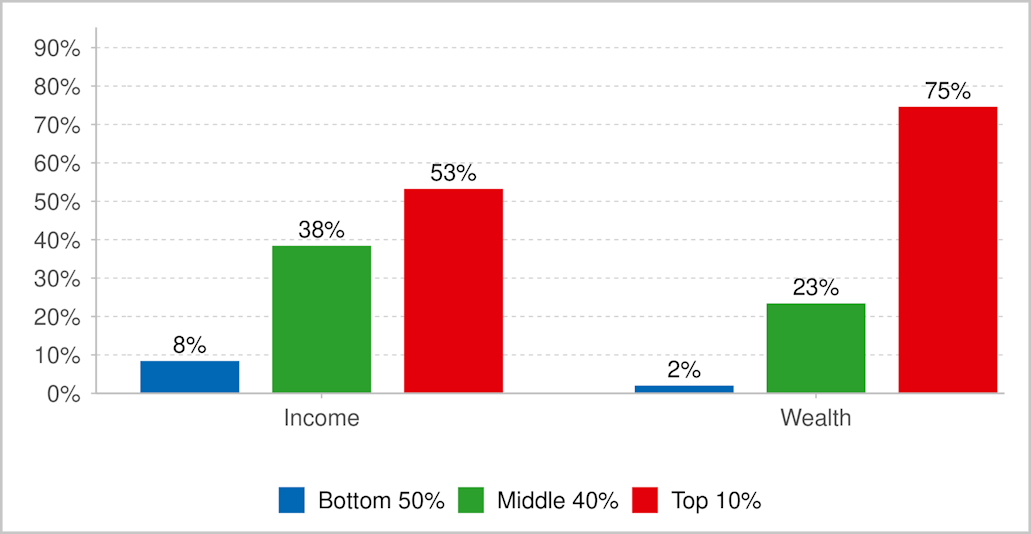
Figure 2: The richest 0.001% own three times more than the bottom 50%
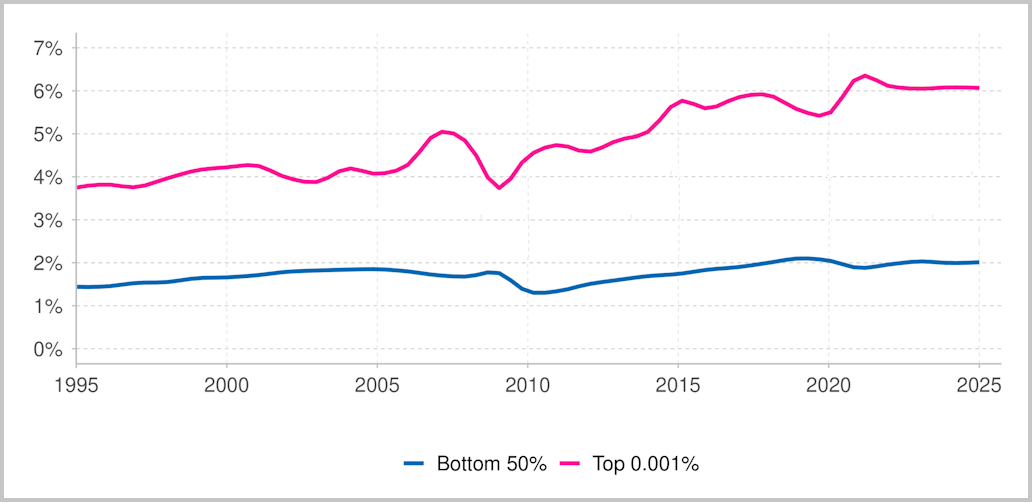
Figure 3: Average annual wealth growth over the past 30 years
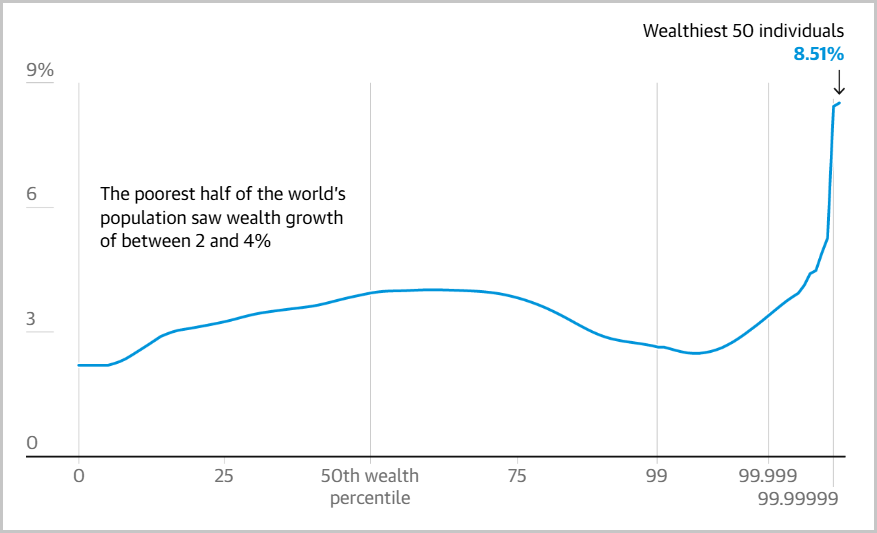
Figure 4: Income by world population decile, 1820-2023
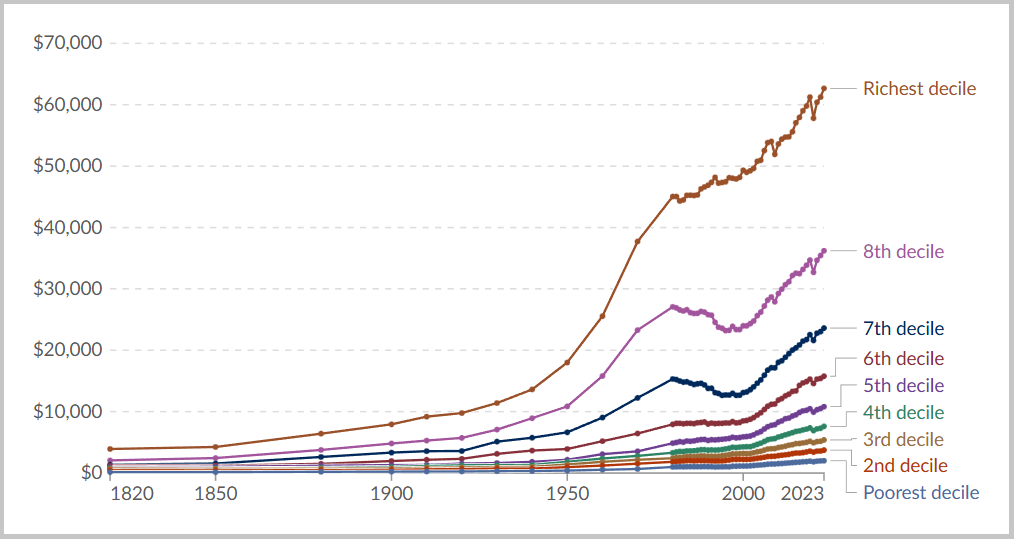
Figure 5: Annual CO2 emissions continue to increase rapidly
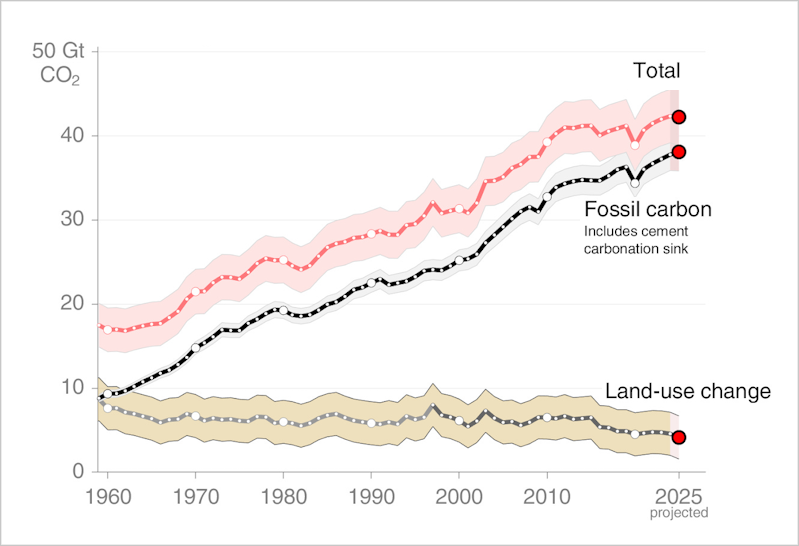
Figure 6: Survey of 22 developed countries:
"The way my country’s economy works should prioritise the health and wellbeing of people and nature rather than focusing solely on profit and increasing wealth in my country."
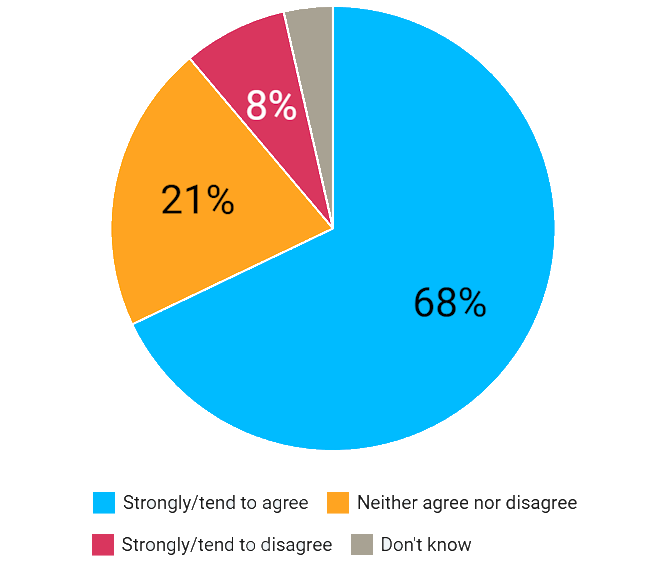
Figure 7: Survey of 22 developed countries:
"Do you support a wealth tax on wealthy people to fund changes to our economies and lifestyles?"
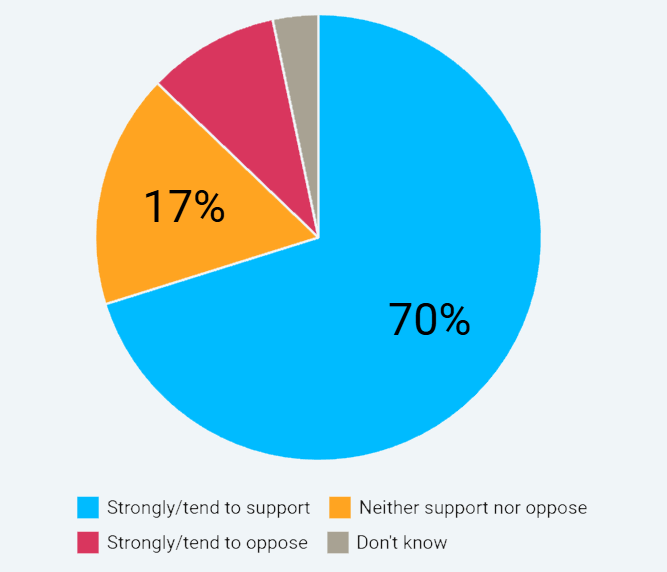
Figure 8: Surveying people's feelings about the world we live in (2025)
"The wealthy's selfishness causes many of our problems"
Agreed:

"The wealthy don't pay their fair share of taxes"
Agreed:

"Compared to today, the next generation will be better off"
Agreed:

Figure 9: Surveying people's feelings about the world we live in (2020)
"I do not have confidence that our current leaders will be able to successfully address our country's challenges"
Agreed:

"Capitalism as it exists today does more harm than good in the world"
Agreed:

Country-level support for the statement: "Capitalism as it exists today does more harm than good in the world":
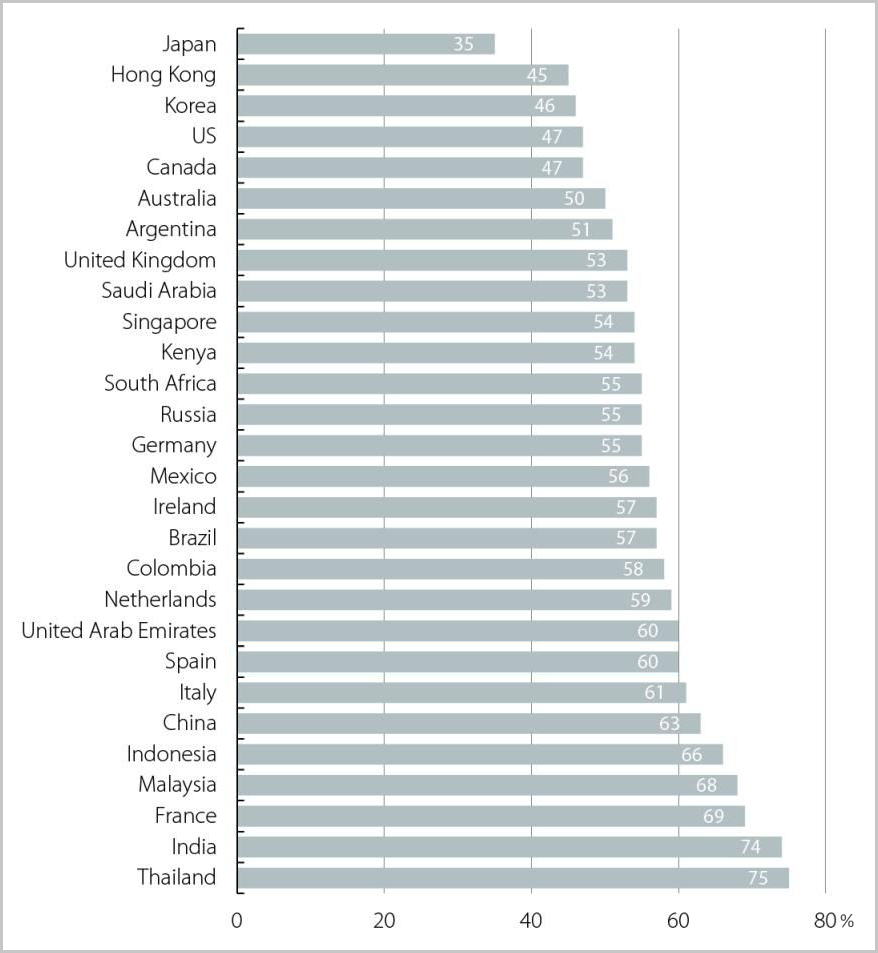
Figure 10: State of the global workplace
(The numbers in boxes represent % change from 2024 data)
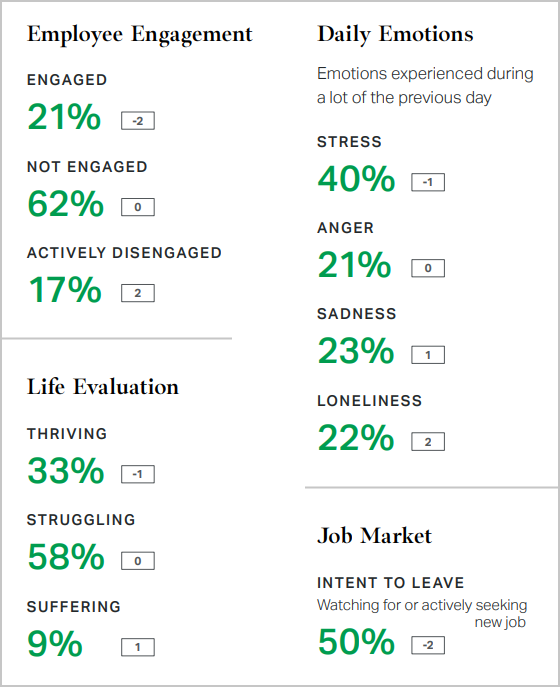
Figure 11: Tracking the world's emotional health
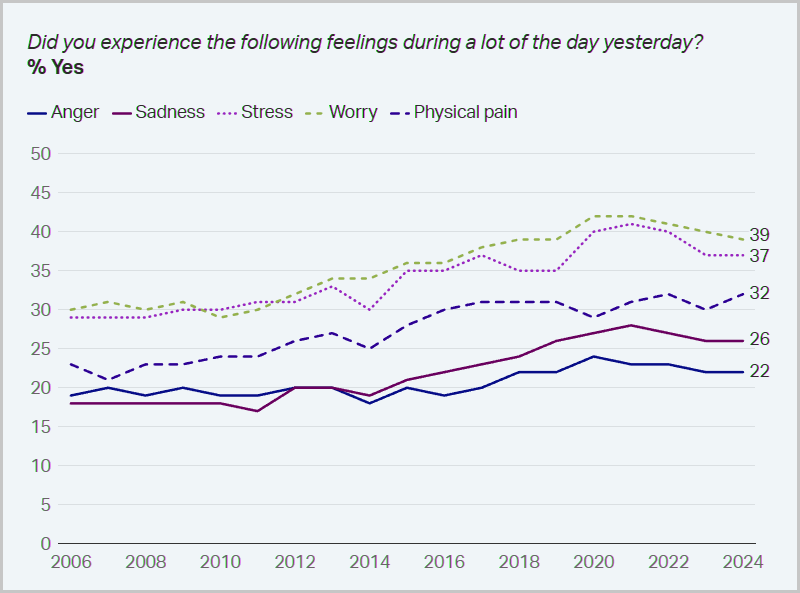
Figure 13: Worldwide decline of freedom
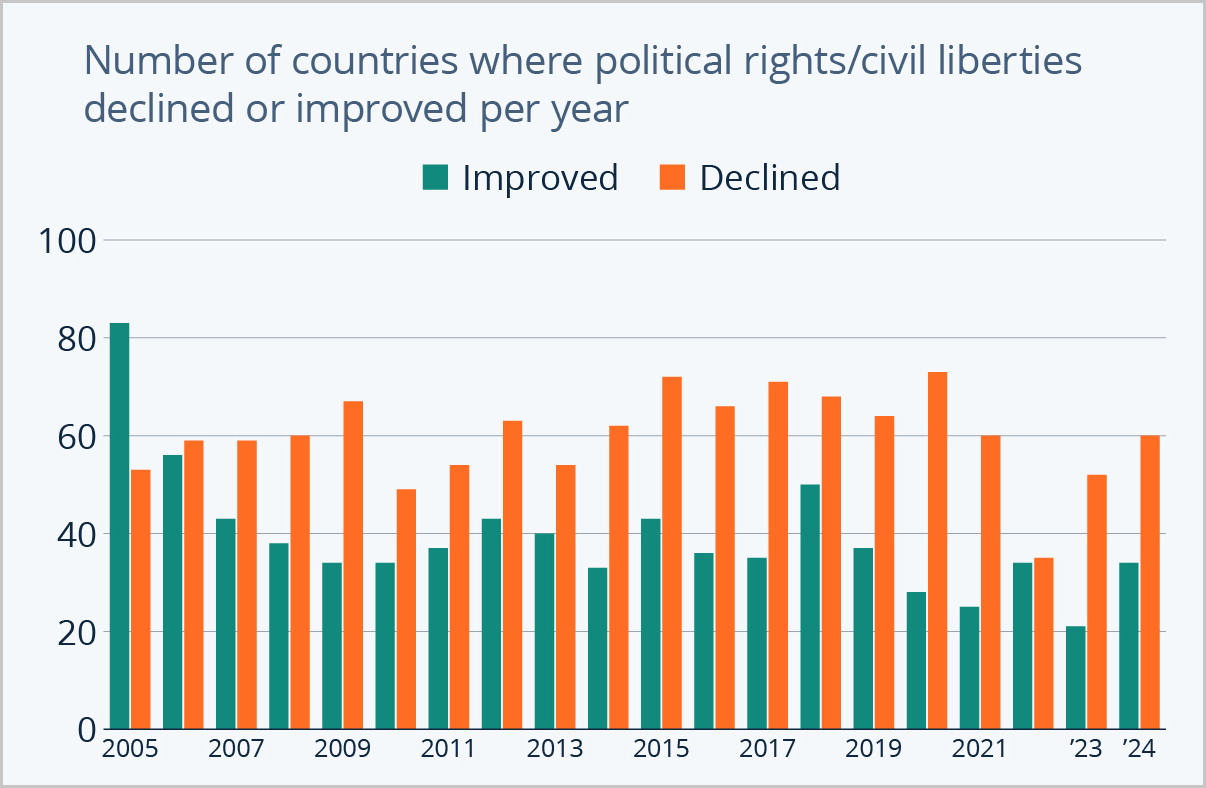
Figure 14: Fifty percent of survey respondents in 28 countries think: "socialist ideals are of great value for societal progress"
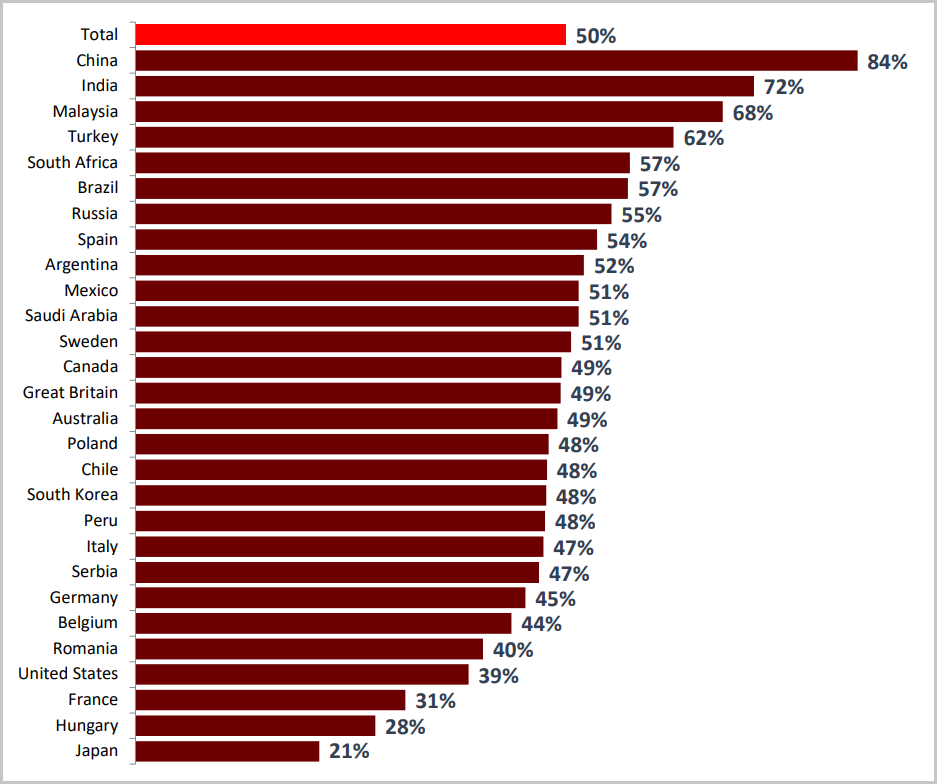
Figure 15: Where's the magic money tree? Part I
Almost $US 9 trillion is hidden away in the top 10 tax havens.
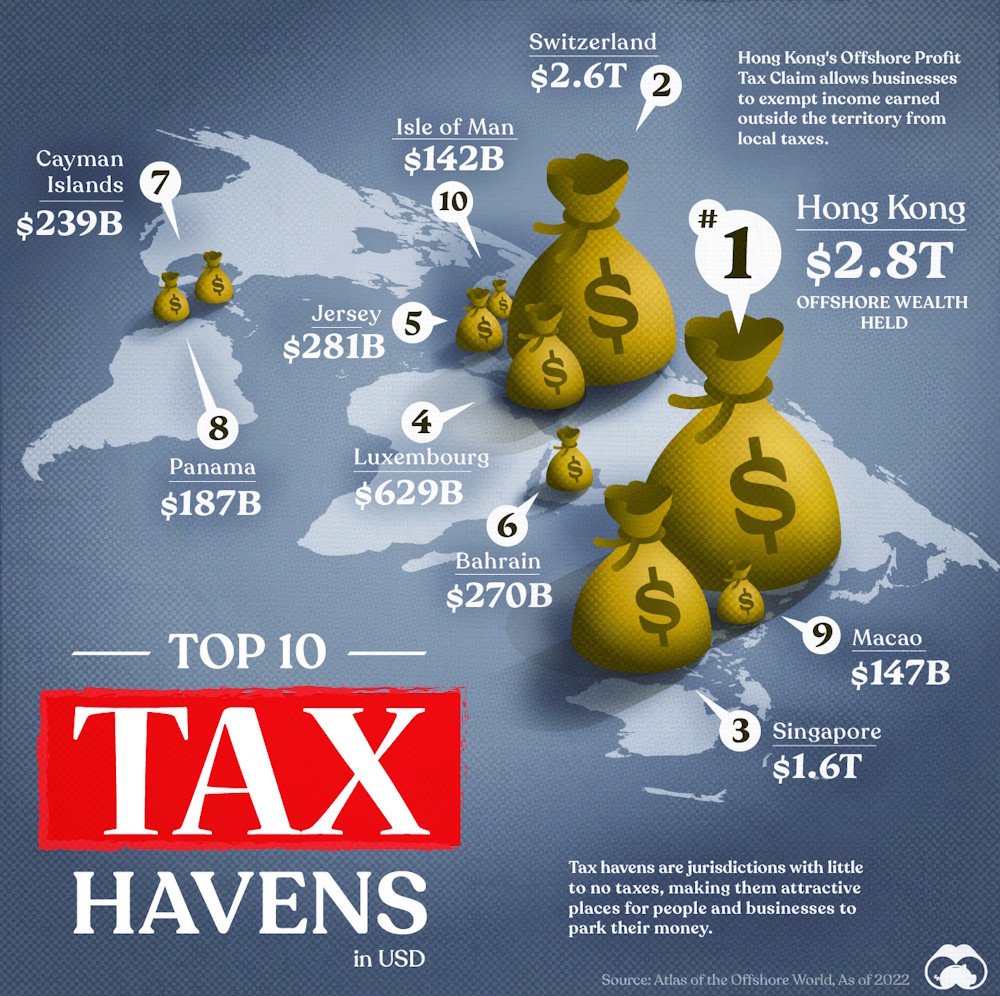
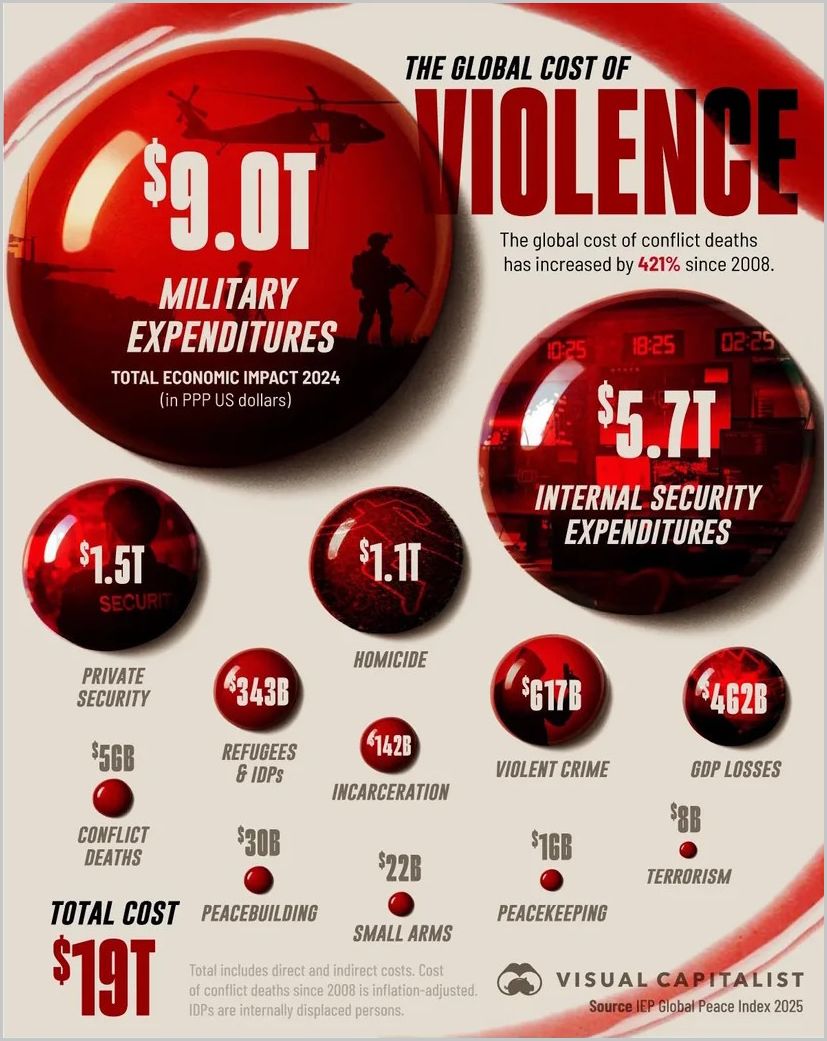
Figure 16: Where's the magic money tree? Part II
Without the investment in global violence, another world is possible.
- This quote (from Michael Harrington et al, Socialism, New York 1972; HDS eds) is taken from a fairly comprehensive historical summary of the term 'democratic socialism', published by the Rosa Luxemberg Foundation in 2024 and accessible here.
- Some organizations, analysts and reference works use the expression 'democratic socialism' almost interchangeably with social democracy. The U.K. Labour Party, for instance, identifies itself (per clause IV) as a democratic socialist party. The World Population Review identifies 19 liberal democracies as 'democratic socialist'. Others apply the term more narrowly to describe only the Nordic countries, or those socialist parties that seek some form of revolution solely through the electoral system. Usage has also changed significantly over time. Many commentators place democratic socialism somewhere on a linear scale between social democracy and socialism, ignoring its primary socialist core and inherently pluralist nature. Usage history. The working definition we use is in keeping with definitions put forward by Wikipedia, the Encyclopedia Britannica and Merriam Webster dictionary.